
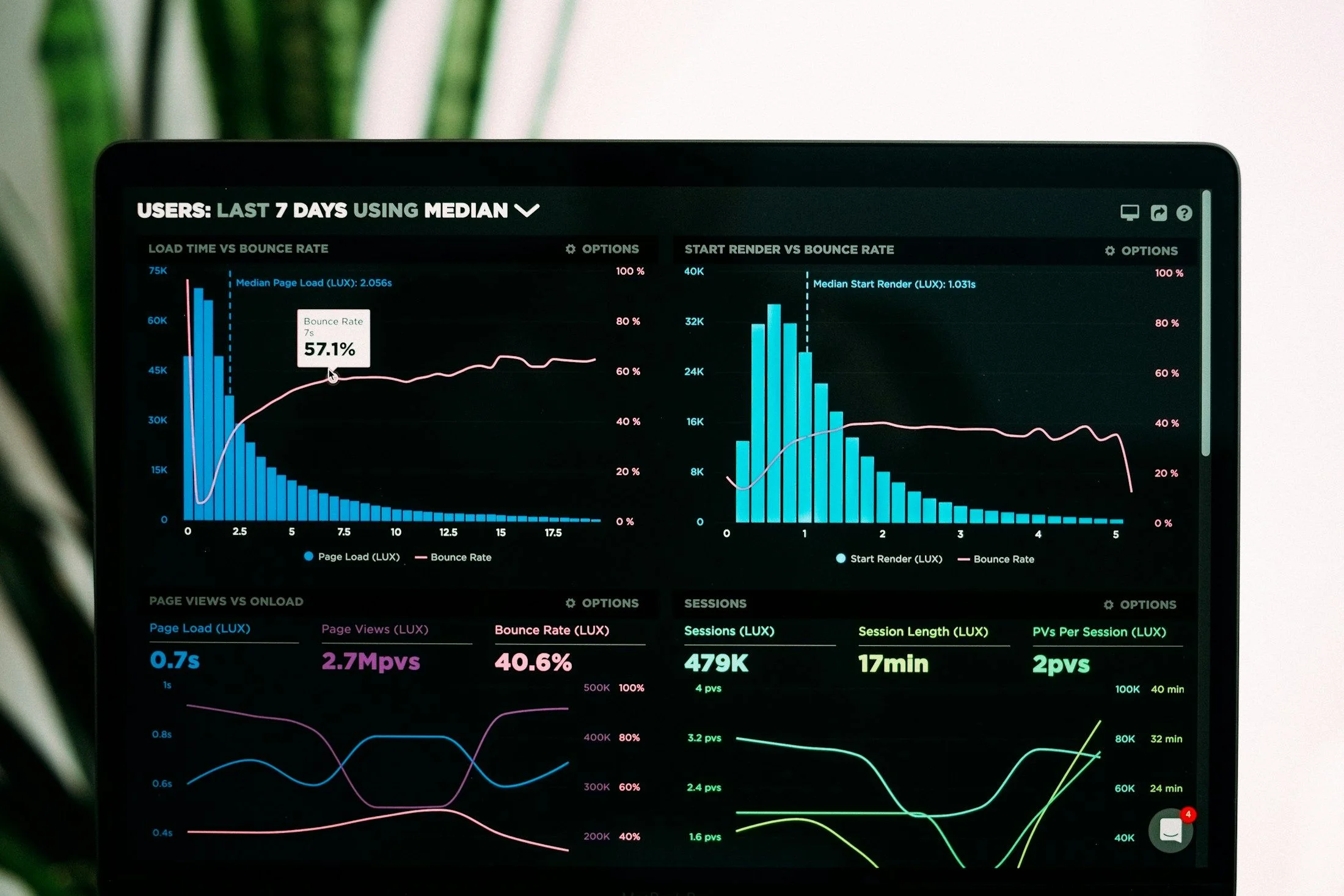
Many reporting problems are not data problems. They are question problems. A report is built because something should be measured, but the underlying business question is never stated clearly enough.
The result is a familiar pattern: a dashboard full of activity, and a management meeting that still begins with “can someone explain what this means?”
Start with the decision
A useful report starts with a decision someone needs to make. Payment follow-up needs a different view from equipment servicing or project progress. If the decision is unclear, more data rarely helps.
Four questions are worth asking of any management report:
- What changed? Movement matters more than a static total.
- What is outstanding? Open items are where attention usually needs to go.
- Who owns it? A number without a responsible person is difficult to act on.
- What should happen next? The report should make the next step easier to see.
Consistency is part of accuracy
When each department defines “expense”, “outstanding” or “completed” differently, the totals may be individually correct but collectively misleading. A central platform helps because definitions and access can be configured once, then applied consistently across teams and branches.
That does not mean every department needs the same report. It means the underlying record should follow a shared structure, while the view is shaped around the role reviewing it.
Reporting follows record quality
No report can be better than the records behind it. If activities are entered late, expenses are missing supporting documents or ownership is unclear, the report will show that — eventually, and usually at the least convenient moment.
For that reason, implementation should treat record habits as part of the design. Who enters what, when and with what support is not administrative detail. It is the foundation of every report management will rely on.
A practical standard
Before adding another report, ask what decision it supports and what action it should make possible. If the answer is specific, the report has a purpose. If it is not, the organisation may be measuring activity rather than supporting decisions.
Written by
NASKORE Team